
Bathtub replacement safety is one of those topics that gets buried under conversations about tile colors and faucet finishes, yet it deserves just as much attention as the design decisions. After years of completing bathroom remodels across Austin, Round Rock, Cedar Park, and the surrounding communities, our team at BH Remodeling has seen what happens when the structural and safety layers of a tub swap get skipped or rushed. The results range from a slow leak that quietly rots the subfloor to a finished tub that shifts underfoot. This post covers what those risks actually look like and how a properly managed replacement avoids them.
Key Takeaways
- Subfloor and floor joist condition must be inspected before a new tub is ever set in place.
- Waterproofing behind the surround is a structural necessity, not a cosmetic upgrade.
- Drain and supply connections need to meet current plumbing code, which sometimes means updating older fittings.
- Proper tub support and leveling prevent flex, cracking, and premature seal failure.
- Permits may be required depending on the scope, and skipping them can create problems when you sell.
- Anti-scald valves and slip resistance are fall and burn prevention measures worth planning for during a replacement.
Why Bathtub Replacement Safety Starts Below the Tub
Most homeowners focus on what they can see: the tub field, the surround, the fixtures. The part of a replacement that actually determines long-term safety is what lies beneath. Before a new tub goes in, the subfloor needs a thorough assessment. Older homes, particularly those built before current building codes standardized moisture barriers, are especially prone to subfloor deterioration near the tub area. Water migrates through grout, around drain flanges, and along any unsealed penetration. By the time a homeowner notices soft spots in the floor or a tub that flexes when stepped into, the damage is often already widespread.
Our crew checks the condition of the subfloor and the floor joists underneath before any new fixture is set. If there is rot, the compromised material gets replaced, not covered. Installing a new acrylic or cast iron tub over a weakened subfloor transfers your full body weight onto a surface that was not designed to hold it. That creates flex, which breaks caulk seals, which invites more water, which accelerates the damage in a cycle that is expensive to interrupt later.
Tub weight is also something people underestimate. A cast iron unit can weigh several hundred pounds before water is added. The floor framing has to be capable of supporting that load. In some cases, sistering a joist (adding a parallel member alongside a weakened one) is the right correction before the new tub goes in.
Waterproofing and Backer Material: The Hidden Line of Defense
Once the subfloor is sound, the walls around the tub area require just as much care. The surround, whether tile, a prefabricated panel, or cultured stone, is a finish layer. It is not what keeps water from reaching the framing. What keeps the framing dry is the waterproof membrane and backer material installed behind the finish layer.
Standard drywall, even moisture-resistant varieties, is not appropriate in a wet zone. Cement board or a dedicated waterproofing membrane system is the correct approach in the area directly surrounding the tub. We see bathrooms where previous contractors used regular green board (moisture-resistant drywall) in direct contact with tile in the shower or tub surround. Over time, the paper facing on that board absorbs moisture, the board degrades, and the tile field loses its bond. By the time tiles start popping off, there is often active mold behind the wall.
A proper installation uses cement board or a comparable substrate, sealed at seams and penetrations, with a continuous waterproof membrane applied before any tile or panel goes up. This is the layer that actually protects your home’s structure. If you are comparing bids for a bathroom remodel in Austin and one is significantly lower, ask specifically what waterproofing system is being used and where it stops. That question alone often explains the price difference.
Plumbing Connections and Code Compliance During Bathtub Replacement
Swapping a tub is also a plumbing job, and that part carries real safety implications. The drain assembly, the overflow plate, and the supply connections all need to be properly seated and tested before the surround is closed in. A drain connection that is even slightly misaligned creates a slow leak at the P-trap (the curved pipe segment that holds water to block sewer gases). That leak may not surface as a visible puddle for months, all while moisture accumulates in the wall cavity or subfloor.
Older homes in Austin and the surrounding areas sometimes have supply lines in materials that are now outside current code, or that have simply reached the end of their service life. A tub replacement is a logical moment to address those while access is open. Replacing a failing supply line is straightforward when the wall is already open. It becomes a much larger project if it fails six months after a finished surround is tiled and grouted.
Permits matter here too. Depending on the scope of work, the City of Austin and surrounding municipalities may require a permit for plumbing work involved in a tub replacement. A permitted job gets inspected, which means an independent set of eyes confirms the connections meet current standards. We walk our customers through whether a permit is needed for their specific project before work begins. If you want a broader picture of how the permit process works locally, our FAQ page covers some of those questions.
Proper Support and Leveling: More Than a Comfort Issue
A tub that is not properly supported and leveled is not just a comfort issue; it is a structural and safety issue. Acrylic and fiberglass tubs require a mortar bed or a foam support system beneath the basin to distribute weight evenly. Without it, the tub flexes every time someone steps in. That flex cycles the caulk joint at the tub-to-wall seam through compression and expansion repeatedly. Over time, the seal cracks, water gets behind the surround, and the water damage cycle begins again.
Leveling matters for a different reason: standing water. A tub that is even slightly out of level will not drain completely. Water that sits in the basin creates conditions that favor mold and mildew growth. It also accelerates wear on the tub surface itself. A correctly leveled tub drains cleanly every time.
Our installation process includes setting the tub in a proper mortar bed where the manufacturer requires it, verifying level in both directions before any connections are made, and letting the mortar cure fully before the drain and overflow are finalized. Skipping the cure time is a common shortcut that leads to the tub settling unevenly after installation.
Anti-Scald Valves and Slip Resistance: Safety Features Worth Planning For
A bathtub replacement gives you a natural opportunity to address two safety concerns that are easy to overlook when the project is focused on aesthetics: scalding protection and slip resistance.
Anti-scald valves, also called thermostatic mixing valves or pressure-balancing valves, limit the maximum water temperature that reaches the fixture. Current plumbing codes in Texas require pressure-balancing valves in new tub and shower installations. If your existing valve is older and does not have this protection, replacement is the right time to upgrade. Scalding is a genuine risk, particularly for young children and older adults whose reaction time to hot water may be slower.
Slip resistance is the other factor. A new tub surround, particularly tile, can be extremely slippery when wet. Planning for grab bars at the correct structural anchor points, and selecting floor tile or tub surfaces with appropriate texture ratings, is part of a safety-conscious replacement. Grab bars need to be anchored into studs or into blocking that was installed specifically for that purpose. A grab bar anchored only into drywall or tile backing will not hold when it actually needs to. We block for grab bars during the rough-in phase so they can be added at any point without opening the wall again.
If you are thinking about the broader bathroom layout at the same time, our shower remodeling page covers how we approach accessibility and safety features in wet areas.
How a Licensed Crew Approaches the Work Differently
The safety details described above are not complicated in concept, but they require experience, the right materials, and a willingness to slow down at the steps that do not show in the finished photos. Family-owned and licensed, BH Remodeling has spent years doing this work in Austin, Pflugerville, Georgetown, Lakeway, and the wider Central Texas area. We pull permits when required, we use correct substrate and waterproofing systems, and we do not set a new tub over a subfloor that has not been assessed and corrected first.
The difference between a replacement done correctly and one done quickly shows up not on the day of install, but in the months and years that follow. A properly supported, waterproofed, and plumbed tub functions reliably and does not become a source of structural damage. That is the standard we hold our work to on every project, whether it is a straightforward swap in Cedar Park or a full bathroom remodel that includes new tile, a vanity, and updated plumbing throughout.
Frequently Asked Questions About Bathtub Replacement Safety
Does a bathtub replacement always require a permit in Austin?
Not always, but it depends on whether plumbing connections are being modified. A like-for-like swap using the same drain and supply locations may not require a permit in every case, but if supply lines are being replaced or drain configurations are changing, a plumbing permit is typically required. We assess this on a project-by-project basis and guide our customers through the correct process before work begins.
How do I know if my subfloor needs to be replaced before the new tub goes in?
Soft or spongy spots when you press on the floor near the tub are a common indicator. Visible discoloration, a musty odor in the bathroom, or tiles that have popped up near the tub edge can also signal moisture damage beneath the surface. The only reliable way to know the full extent is to get eyes on the subfloor directly, which happens naturally when the old tub is removed.
Can I install a grab bar after the new tub is already in?
Yes, but it needs to be anchored properly. If blocking was installed in the wall during the remodel, installing a grab bar later is straightforward. If no blocking is present, a contractor will need to locate the studs or add a surface-mounted anchor plate rated for grab bar loads. A bar anchored only to drywall is not safe and will fail under load.
What is the difference between a pressure-balancing valve and a thermostatic mixing valve?
A pressure-balancing valve equalizes hot and cold water pressure so that a sudden change (like a toilet flushing elsewhere in the house) does not cause a burst of scalding water. A thermostatic mixing valve goes further by actively regulating the water temperature at a set point regardless of supply fluctuations. Both are safer than an unprotected valve. Current Texas code requires at minimum a pressure-balancing valve in new tub and shower installations.
Is a freestanding tub harder to waterproof than a built-in alcove tub?
A freestanding tub has no surround walls to waterproof, but the floor area around it and the supply connections still need proper attention. The drain connection on a freestanding tub is sometimes more exposed and needs to be carefully sealed. The absence of a tile surround does not mean waterproofing is irrelevant; it just shifts where the focus belongs.
Ready to Talk Through Your Replacement?
If you have questions about what a safe, correctly done bathtub replacement looks like for your specific bathroom, we are glad to take a look. Our team serves homeowners across Austin, Round Rock, Cedar Park, Pflugerville, Georgetown, and Lakeway. We will assess what you have, explain what actually needs to happen structurally and mechanically, and give you a clear picture before any work begins. You can explore our full range of bathroom and home remodeling services or reach out directly to start the conversation. First We Listen. Then We Build.
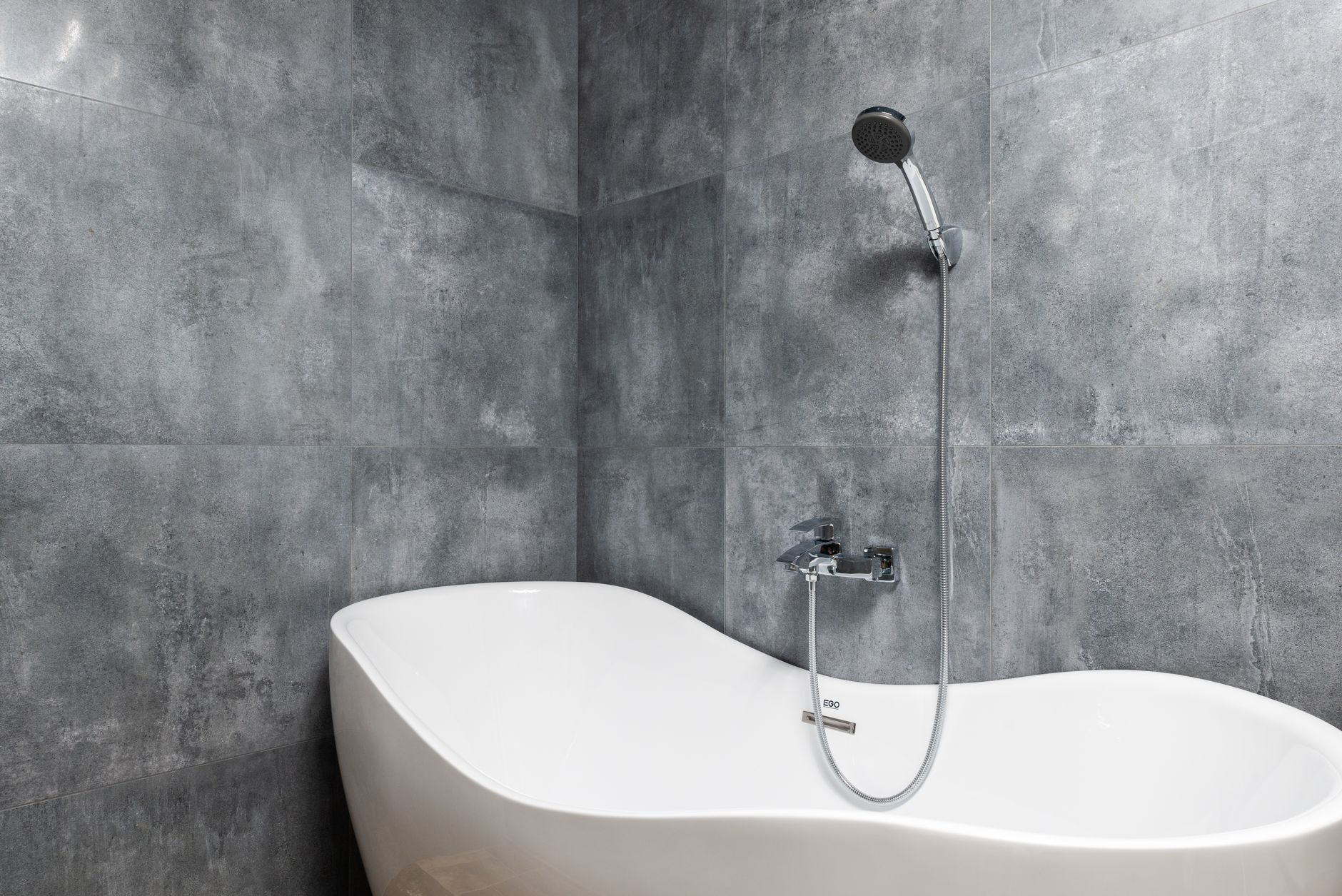
Photo by Max Vakhtbovych on Pexels.