
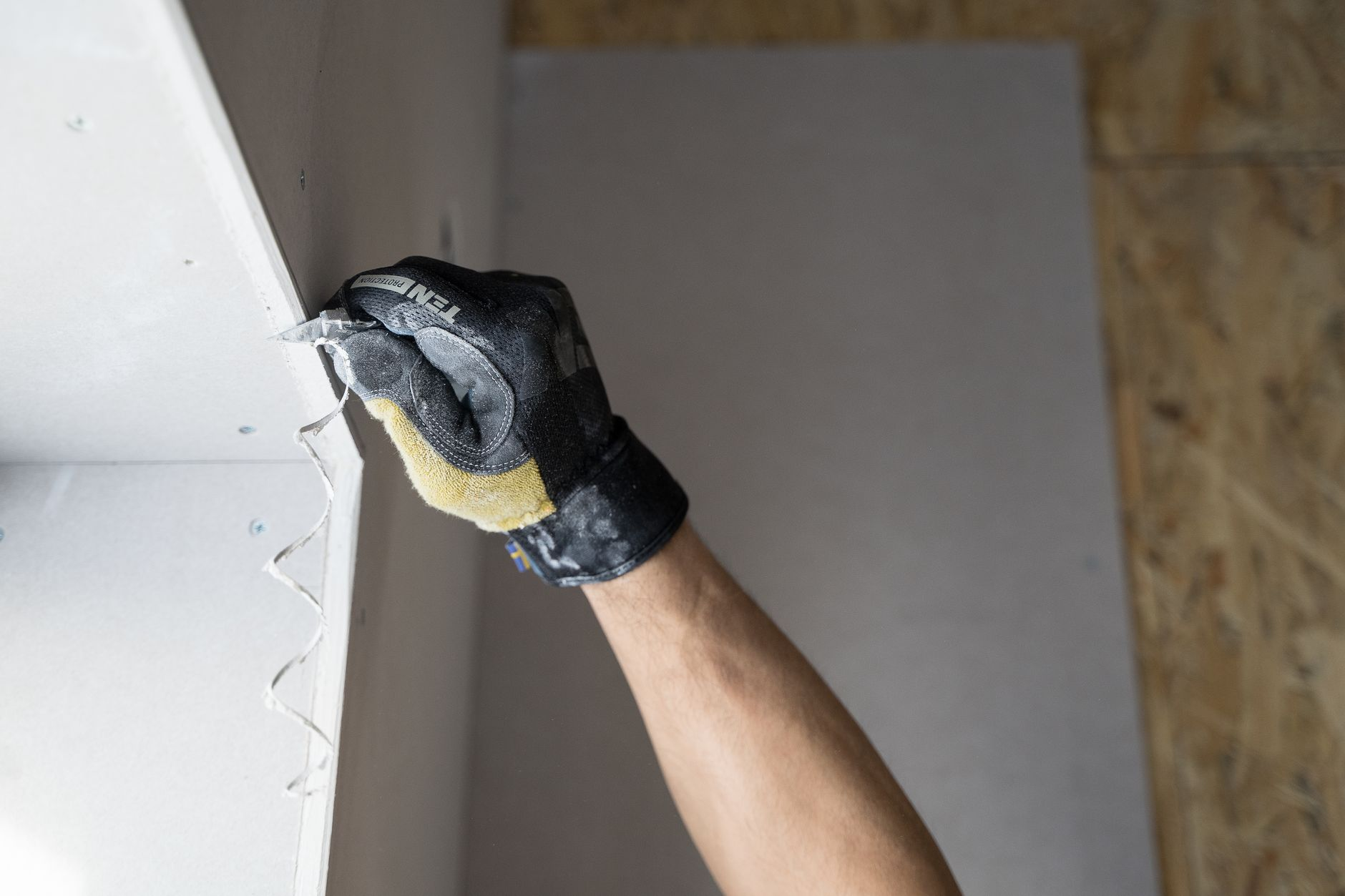
When a wall gets damaged, drywall repair safety is the part most homeowners skip over entirely. They see a hole or a crack, grab a patch kit, and get to work without thinking twice about what might be hiding behind that surface. After working on homes across Austin, Round Rock, Cedar Park, Pflugerville, Georgetown, and Lakeway, our team at B&H Remodeling has seen firsthand how quickly a simple repair can become a serious hazard when the right precautions are not taken. This post covers what you genuinely need to know before you touch a damaged wall.
Key Takeaways
- Drywall in homes built before 1980 may contain asbestos. Do not sand or cut it until you know what you are dealing with.
- Lead paint can be present on older walls and becomes dangerous dust the moment you start grinding or sanding.
- Electrical wiring and plumbing run inside walls. Cutting without checking first is a genuine risk.
- Mold is often the hidden reason a patch is needed. Covering it without fixing the moisture source makes the problem worse.
- Proper respiratory protection, eye protection, and dust containment are not optional on any drywall job.
- A professional repair is not just about aesthetics. It is also about making sure the wall is structurally sound and the home is safe.
What Makes Drywall Repair Safety So Important
Drywall looks inert. It is essentially gypsum pressed between two sheets of paper, and on the surface that sounds pretty harmless. The issue is that drywall does not exist in isolation. It sits inside a wall system that carries electrical wiring, plumbing lines, and sometimes HVAC ductwork. The material itself may have been manufactured or painted during an era when materials we now know to be hazardous were commonplace.
The physical act of cutting, sanding, or breaking drywall releases fine particulate dust into the air. Gypsum dust on its own is an irritant that can aggravate the eyes, nose, and respiratory tract with enough exposure. When that dust is mixed with older materials or disturbed finishes, the health stakes go up significantly. This is why protective equipment and a basic hazard assessment should come before any tool touches the wall.
Asbestos and Lead: The Two Hazards That Change Everything
If your home was built before 1980, these two words should be at the front of your mind before any repair work begins.
Asbestos in Older Drywall
Asbestos was used in a variety of building materials through much of the twentieth century, including in some drywall joint compounds, textures, and insulation products. When materials containing asbestos are left undisturbed, they are generally considered stable. The danger comes when those materials are cut, sanded, broken, or otherwise disturbed, releasing microscopic fibers into the air that can cause serious lung disease years after exposure.
You cannot identify asbestos by looking at it. If your home predates the early 1980s and you are planning to cut into or sand existing drywall or texture, the responsible step is to have a licensed asbestos inspector collect a sample and send it to an accredited laboratory before you do anything else. This is not overcaution. It is the kind of step that prevents a costly mistake with permanent health consequences.
Lead Paint on Drywall Surfaces
Lead paint was banned for residential use in 1978, but many homes across the Austin area were built well before that cutoff. Lead paint on walls is stable when it is intact and undisturbed. The moment you sand, scrape, or cut through it, you generate fine lead dust that settles on every surface in the room and can be inhaled or ingested, particularly by children and pregnant women.
Before sanding any painted surface in an older home, test for lead with an EPA-recognized lead test kit available at most hardware stores, or hire a certified lead inspector. If lead paint is confirmed, the repair should follow EPA Renovation, Repair and Painting (RRP) guidelines, which require certified contractors and specific containment and cleanup procedures. Our team is licensed and insured to handle these situations correctly.
Hidden Hazards Inside the Wall Cavity
One of the most preventable injuries we hear about in home repair involves cutting into a wall without checking what is behind it. Electrical wiring runs horizontally and vertically through wall cavities to reach outlets, switches, and fixtures. Plumbing supply and drain lines pass through walls to reach sinks, showers, and appliances. In some cases, gas lines do too.
Cutting into an energized electrical wire is a shock and fire hazard. Cutting into a water supply line means immediate flooding. Nicking a gas line is a potential emergency.
Before making any cut larger than a very small patch, use a quality stud finder with AC wire detection capability to scan the area. These tools are inexpensive and widely available. Better yet, turn off the circuit breaker for the room before cutting, and know where your water shutoff is in case of an unexpected plumbing encounter. If you are uncertain about what is in the wall, this is the right time to call a professional rather than find out the hard way.
Our team uses this kind of methodical approach on every home remodeling project in Austin and across our service area. Checking before cutting is not extra work. It is just how careful repairs get done.
Mold Behind the Damage: The Problem That Hides in Plain Sight
A soft, stained, or bubbling section of drywall is frequently a sign of a moisture problem, not just wear and tear. Water infiltration from a leaking pipe, a roof issue, window condensation, or a shower that was not properly waterproofed can saturate drywall and create conditions where mold takes hold on the paper facing and the gypsum itself.
Patching over moldy drywall without addressing the moisture source is one of the most common mistakes we see. The new patch looks fine for a while, but the mold continues to grow behind it, eventually showing up again, often worse than before. In the meantime, mold spores circulate through the home’s air, which is a genuine health concern for anyone with respiratory sensitivities.
The right sequence is: identify and fix the moisture source first, remove and dispose of affected drywall safely, treat the framing and surrounding area if needed, then complete the repair. If you discover significant mold during a repair, stopping and consulting a professional before proceeding is the safer choice. For bathroom walls in particular, where moisture is constant, the materials and waterproofing methods used in the repair matter a great deal. Our bathroom remodeling work in Austin always addresses the waterproofing layer, not just the visible surface.
Personal Protection and Dust Containment
Even on a repair with no identified hazardous materials, dust management matters. Here is the minimum protective setup our team recommends for any drywall work.
Respiratory Protection
A standard dust mask is better than nothing, but it is not adequate for fine drywall dust or any situation involving potentially hazardous materials. An N95 respirator filters out at least 95 percent of airborne particles and is the appropriate minimum for drywall sanding work. If asbestos or lead is a possibility, a respirator rated for those specific hazards is required.
Eye Protection
Safety glasses or goggles protect against dust, debris, and any material that gets kicked up during cutting or sanding. This is a simple, inexpensive step that most DIYers skip.
Containment and Cleanup
Seal off doorways to adjacent rooms with plastic sheeting before you start sanding. Drywall dust travels farther than most people expect and settles on every surface it reaches. Use a vacuum with a HEPA filter to collect dust during sanding rather than blowing it around. Damp-wipe surfaces after the work is complete rather than dry-dusting, which just redistributes particles into the air.
Proper disposal of debris matters too. If hazardous materials are involved, disposal must follow local regulations. For standard drywall scraps and dust, bag the material and check with your local waste authority for guidance on acceptable disposal.
When to Call a Professional for Drywall Repair
There is a category of drywall damage that is genuinely a good DIY project: small nail holes, hairline cracks in low-stress areas, minor scuffs. Beyond that, the variables multiply quickly.
Call a professional when you are dealing with any of the following situations.
- The damaged area is larger than roughly a foot square and involves cutting out and replacing a section of drywall, especially near electrical boxes or plumbing walls.
- The home predates 1980 and the existing materials have not been tested.
- There is any sign of moisture damage, soft spots, staining, or odor that suggests mold.
- The damage is in a load-bearing wall or near a structural element.
- The finish needs to match an existing texture, which is genuinely difficult to replicate without experience.
- The repair is in a bathroom or kitchen where moisture resistance and proper sealing are critical.
As a licensed and insured contractor serving the greater Austin area, B&H Remodeling handles drywall repair as part of broader renovation and home repair work. Whether it is a section that needs replacing as part of a larger project or a standalone repair that needs to be done safely and finished cleanly, we approach it with the same care. You can see examples of the kind of work we do in our project gallery.
If you are not sure whether your repair falls into the DIY or professional category, our FAQ page covers many common questions, or you can reach out directly and we will give you an honest answer about what the situation actually calls for.
Frequently Asked Questions About Drywall Repair Safety
Is all drywall dust harmful?
Standard gypsum drywall dust is an irritant rather than a toxic material, but significant or repeated exposure can irritate the respiratory tract and eyes. When older materials or coatings are involved, the risk increases substantially. Wearing an N95 respirator is a sensible precaution for any sanding work.
How do I know if my walls have asbestos-containing materials?
Visual inspection cannot tell you. If your home was built before 1980, the only reliable answer comes from laboratory testing of a sample collected by a licensed inspector. Do not sand or cut the material before you know.
Can I paint over a drywall patch without sanding?
Skipping sanding usually results in a visible seam or ridge in the finished wall. Light sanding is part of a proper repair. If lead paint is a concern, follow RRP guidelines rather than skipping this step entirely.
What should I do if I find mold behind my drywall?
Stop the repair, identify and fix the moisture source, and assess the extent of the mold before proceeding. For anything beyond a very small affected area, consulting a professional is the safer and more thorough approach.
Does B&H Remodeling handle drywall repairs as a standalone service?
Yes. Our team handles drywall repair as part of whole home remodeling projects and as standalone work when it is part of a broader repair need. Reach out through our contact page to tell us what you are dealing with and we can take it from there.
Getting the Repair Right from the Start
A drywall repair that looks good on the surface but skips the safety steps underneath is not a finished repair. It is a deferred problem. Whether you are patching a wall yourself or bringing in a crew, the questions worth asking before the work starts are about what is in the wall, what the damage is telling you about the home’s condition, and whether the people doing the work are equipped to handle what they might find.
At B&H Remodeling, our approach has always been straightforward: First We Listen. Then We Build. That means taking the time to understand what a wall is actually dealing with before we touch it, and making sure the repair we leave behind is genuinely solid, not just cosmetically acceptable. If you are working through a repair situation and want a second set of eyes on it, we are happy to help you figure out the right path forward.
Photo by Jimmy Nilsson Masth on Pexels.