
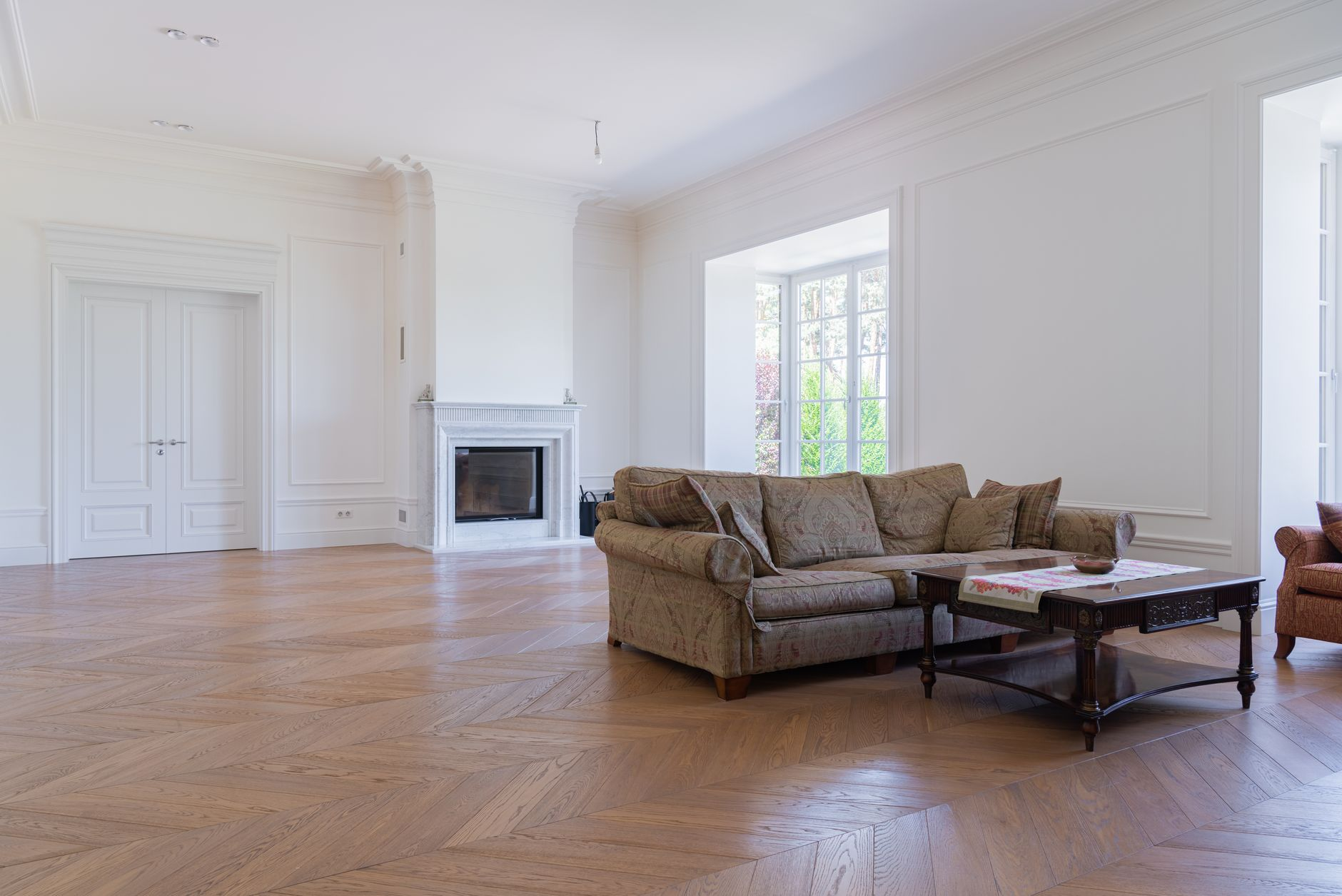
If you are planning a flooring installation in Austin and wondering whether timing actually matters, the short answer is yes, it matters more than most homeowners expect. Humidity, temperature swings, and the rhythm of home life all affect how well a new floor performs once it is installed. After years of flooring work across Austin, Round Rock, Cedar Park, Pflugerville, Georgetown, and Lakeway, our team at BH Remodeling has seen firsthand how the right scheduling decision can mean the difference between a floor that settles in beautifully and one that warps, gaps, or buckles within months.
Key Takeaways
- Central Texas humidity levels directly affect how wood and engineered flooring acclimate before installation.
- Fall and early spring are generally the most forgiving seasons for flooring installation in Austin.
- Indoor climate control matters more than the calendar month, especially if you run your HVAC system year-round.
- Acclimation time varies by material: hardwood needs longer than luxury vinyl plank (LVP) or tile.
- Planning around your household schedule reduces disruption and protects the finished floor during the critical first days.
Why Seasonal Timing Affects Flooring Installation in Austin
Austin sits in a climate zone where summer humidity can climb well into the 80 to 90 percent range, and winters, while mild, can deliver dry cold snaps that push indoor humidity down sharply. Wood and engineered wood floors are hygroscopic, meaning they absorb and release moisture in response to the air around them. If planks are installed while they are carrying too much or too little moisture relative to your home’s normal indoor conditions, they will continue to expand or contract after the job is done, and that movement can crack finishes, open joints, or cause cupping along plank edges.
This is not a hypothetical risk. We see it regularly on jobs where a previous installer skipped the acclimation step or worked in a home that had not yet reached its typical seasonal interior climate. The floor looked fine on installation day and started showing problems four to six weeks later when the season shifted. Getting the timing right is one of the simplest ways to protect a significant home investment.
Fall: The Sweet Spot for Most Flooring Projects
October through early December is, in our experience, the most reliable window for flooring installation across the Austin area. Here is why that window works so well.
By late fall, Austin’s brutal summer humidity has started to taper off, but the truly dry winter air has not yet arrived. Indoor relative humidity tends to hover in a range that is close to what most homes maintain year-round with their HVAC systems running. That stable middle ground means hardwood and engineered planks acclimate faster and more predictably. Tile and LVP are less sensitive to humidity, but fall still offers comfortable working conditions that help crews maintain tight lines and clean adhesive bonds.
Contractor schedules also tend to open up slightly in fall compared to the busy spring renovation season, which can give you more flexibility on start dates and sequencing if you are doing flooring as part of a larger project like a whole home renovation in Austin.
Spring: A Strong Second Choice With One Caveat
March through May brings mild temperatures and manageable humidity levels, making spring another excellent window for flooring work. The caveat is that spring is peak remodeling season in Austin. Homeowners who have been planning all winter tend to book in February and March, so popular contractors fill up fast. If you are targeting spring, start your conversations with a remodeling company at least six to eight weeks ahead of when you want work to begin.
Spring is particularly well-suited if you are pairing flooring with other interior work such as interior painting or cabinet updates, since you want painting to finish before flooring goes in to avoid drips and scuffs on a brand new surface.
Summer Installation: What You Need to Know
Summer is not off-limits, but it requires careful management. Central Texas summers push outdoor humidity high, and every time a door opens on a job site, that moisture-laden air enters the home. If your HVAC system is running and maintaining a stable interior temperature and humidity level, the risk is manageable. If the home is vacant or the HVAC is off, summer installation becomes genuinely risky for wood and engineered products.
For summer flooring projects, we recommend a few practical steps. First, run the HVAC at the humidity and temperature settings the home will normally see once occupied. Second, allow extra acclimation time, typically a few additional days beyond what the manufacturer recommends, since the differential between outdoor and indoor conditions is larger. Third, avoid scheduling delivery and installation on days when thunderstorm activity is expected to keep doors open for long stretches.
Porcelain tile and quality LVP handle summer conditions better than natural wood because they are dimensionally stable. If you have flexibility on material and want to install in summer, those options carry less timing risk.
Winter Installation: Drier Than You Think
Austin winters are short and mild, but they can produce dry indoor air, especially in homes that run forced-air heating for weeks at a time. When indoor relative humidity drops below roughly 35 percent, wood flooring can develop small gaps between planks as the wood shrinks. This is a normal seasonal response, not a defect, but installing during the driest stretch of the year means the floor will be at its narrowest point at installation and may show more movement as spring humidity returns.
Winter is a reasonable time to install tile, LVP, or other dimensionally stable products. For solid hardwood, we generally advise waiting until indoor conditions stabilize a bit more unless you have a whole-home humidifier maintaining consistent levels. If you are curious how flooring fits into a broader winter renovation, our flooring installation page covers the materials we work with and the process we follow.
Acclimation: The Step That Matters More Than the Month
Across all seasons, the single most important factor in a successful flooring installation is proper acclimation. Acclimation means allowing the flooring material to sit inside the home, in the actual room where it will be installed, for long enough that its moisture content equalizes with the surrounding environment.
General guidance by material type:
- Solid hardwood: Typically needs five to seven days of acclimation, sometimes longer in summer or during humidity swings.
- Engineered hardwood: Usually two to four days, since the layered construction makes it more dimensionally stable than solid wood.
- Luxury vinyl plank (LVP): Often 24 to 48 hours, though some manufacturers specify longer periods, so always follow the product documentation.
- Porcelain or ceramic tile: No acclimation required, since tile is essentially unaffected by humidity and temperature in normal residential ranges.
A good installer will measure the moisture content of both the flooring material and the subfloor before beginning. If those readings are too far apart, installing anyway is a gamble that often does not pay off. At BH Remodeling, this is a standard step in our process, not an optional extra, because fixing a failed floor is far more disruptive and expensive than taking an extra day to let the material settle.
Planning Around Your Household Schedule
Beyond climate, the other timing question worth thinking through is your own schedule. Flooring installation is loud, dusty in the case of subfloor prep, and temporarily impassable. Furniture needs to move out of the room before work begins and cannot return until adhesive or finish has fully cured, which can take 24 to 72 hours depending on the product.
If you have young children at home or pets that are difficult to contain, scheduling installation during a week when the household is less active, like during a school break trip or a planned vacation, makes the job go more smoothly and protects the floor from foot traffic during that critical curing window.
If flooring is one piece of a larger project, sequence matters. New flooring should generally go in after drywall, painting, and most cabinet work is complete, but before baseboards and trim are reinstalled so the trim can be measured and cut to the finished floor height. If you are planning a whole home remodel in Austin, talking through the sequence early saves rework later.
Frequently Asked Questions
Does Austin’s heat in summer actually damage flooring during installation?
Not the heat itself, but the humidity that often accompanies it. If your home is air-conditioned and maintaining normal indoor conditions, summer installation is workable. The risk rises when the home is vacant, unconditioned, or when doors are left open for long periods during material delivery and prep.
How far in advance should I book a flooring installer in Austin?
For spring projects, four to eight weeks of lead time is realistic. Fall and winter tend to have more availability, though popular contractors can still book out three to four weeks. The bigger constraint is often material lead time: some specialty hardwoods and custom tiles need to be ordered before the installer is even scheduled.
Can I install new flooring over old flooring?
Sometimes, but it depends on the existing surface, the new material, and the height differential at doorways and transitions. LVP over a smooth, level vinyl or tile surface is often feasible. Hardwood over hardwood is generally not recommended. An in-home assessment is the only reliable way to know what your specific situation allows.
What if my project involves both flooring and tile work?
Tile installation in bathrooms or kitchens and hardwood or LVP in living areas are often done in sequence on the same project. Tile typically goes first since it requires a curing period before adjacent flooring can be fitted against it. Our team handles both, which helps with sequencing and reduces handoff issues. You can learn more on our tile installation page.
Does the type of subfloor change the timing recommendation?
It can. Concrete subfloors, common in slab-on-grade Austin homes, hold more moisture and require a moisture vapor test before wood flooring goes down. If a test reveals elevated moisture in the concrete, additional prep like a vapor barrier or self-leveling compound may be needed before installation can begin, which affects your timeline.
Ready to Schedule Your Flooring Installation?
If you are thinking through the timing for a flooring project at your Austin area home, we are glad to take a look at the specifics with you. The right season, the right material, and the right sequence make a real difference in how well a new floor holds up over the years. BH Remodeling is a licensed and insured, family-owned remodeling company serving Austin, Round Rock, Cedar Park, Pflugerville, Georgetown, and Lakeway. First We Listen. Then We Build. Reach out to our team and we will walk through your options before a single plank is ordered.
Photo by Max Vakhtbovych on Pexels.