
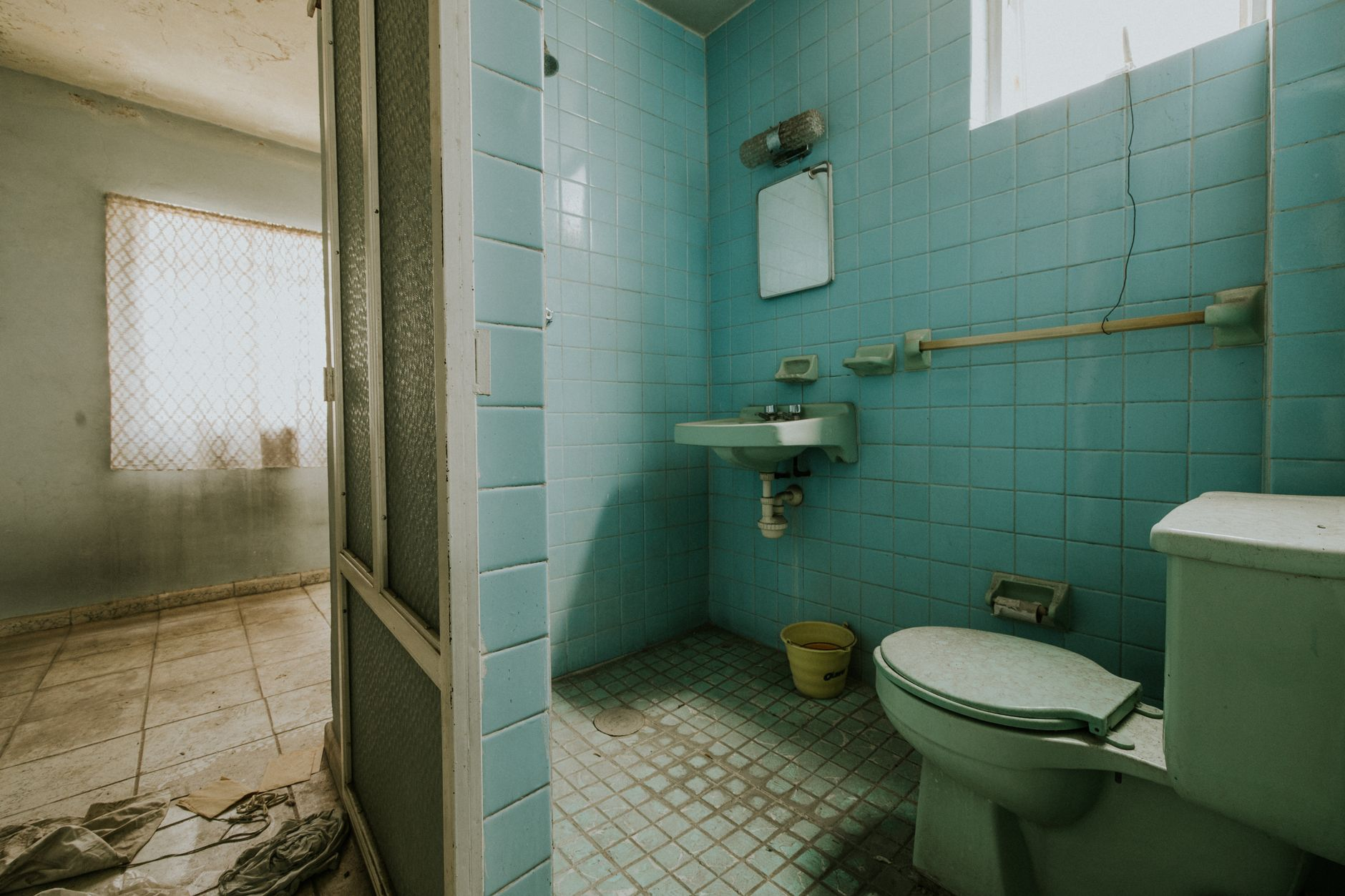
Shower remodeling is one of those projects homeowners tend to put off until the problem becomes impossible to ignore. But in our experience working with homeowners across Austin, Round Rock, Cedar Park, and Pflugerville, waiting too long almost always means a bigger job and a more disruptive process. If you have been second-guessing whether your shower is overdue for attention, this post lays out the clearest warning signs so you can make a confident, informed call.
Key Takeaways
- Grout and caulk failure are the earliest and most actionable warning signs of a shower that needs attention.
- Persistent leaks and soft subfloor material beneath tile point to water damage that will not resolve on its own.
- Mold behind the wall surface and chronic drainage problems are urgent, not cosmetic.
- An outdated or undersized shower can limit your home’s resale appeal and daily comfort in equal measure.
- Catching problems early typically means a focused scope of work rather than tearing out walls and subfloor.
When Shower Remodeling Is the Right Call: Reading the Signals Early
Most showers do not fail overnight. They give you months of quiet hints before a real problem announces itself. The homeowners who get ahead of it usually noticed something small, asked a question, and acted before water found its way into the structure. The ones who wait often end up dealing with subfloor replacement, mold remediation, or both. Knowing what to look for puts you firmly in the first group.
Grout and Caulk That Has Stopped Doing Its Job
Grout lines in a shower are not purely decorative. They are a barrier between surface water and the substrate beneath your tile. When grout cracks, crumbles, or develops dark staining that does not clean away, water is already finding a path it should not have. The same is true for the caulk lines at corners, the base of the curb, and anywhere two surfaces meet at an angle.
Silicone and sanded caulk both have a finite lifespan, especially in a wet environment with daily temperature swings. When that material shrinks, peels, or pulls away from the surface, even a small gap allows moisture to wick behind the tile. In our work on shower remodels in Georgetown and Cedar Park, we frequently pull tile and find that the underlying cement board or drywall has been damp for far longer than the homeowner realized, all because a caulk line that looked minor from the outside had been open for months.
Re-grouting or re-caulking a shower that is otherwise structurally sound is a reasonable maintenance task. But when grout failure is widespread, or when you see the tile itself shifting or loosening, that is a sign the substrate beneath has already been compromised. At that point, you are looking at shower remodeling rather than a weekend patch job.
Soft Spots, Flexing Tile, and What They Mean for Your Subfloor
Press lightly on the tile in the floor of your shower or on the lower wall panels around the base. Tile that moves, flexes, or produces a hollow sound when tapped is tile that has lost its bond to the substrate beneath it. That bond breaks when moisture gets under the tile and stays there long enough to degrade the mortar bed or the cement board it was set into.
A soft spot in the shower floor, particularly near the drain or along the curb, often signals that the subfloor material below the tile layer has taken on enough moisture to weaken. In older homes across Austin and Pflugerville, we sometimes find that previous owners used standard drywall in a wet area rather than a moisture-resistant backer. Once that material gets saturated, no amount of resealing the surface will fix the underlying problem.
This is one of the clearest signals that shower remodeling cannot wait. The longer water has unrestricted access to wood framing or an organic subfloor material, the greater the risk of structural damage that extends well beyond the shower pan itself. A remodel that addresses this early involves replacing the liner or pre-sloped shower pan, installing a proper backer board system, and retiling. A remodel that waits too long can involve framing repair and subfloor replacement in adjacent floor areas as well.
Mold You Can See and Mold You Cannot
Surface mold on grout is common and, in most cases, manageable with the right cleaner and some elbow grease. What is not manageable, and what tells you a remodel is overdue, is mold that keeps returning within days of cleaning, mold that appears on the wall surface above or beside the tile, or any soft, spongy, or discolored section of drywall adjacent to the shower enclosure.
When mold reappears quickly after cleaning, it almost always means there is a moisture source behind the tile that the surface cleaning does not reach. The grout surface you scrubbed is clean; the paper facing of the drywall behind it is not. In humid climates like Austin’s, where summers are long and bathrooms without proper exhaust ventilation stay damp, this cycle accelerates faster than it would in a drier region.
A bathroom exhaust fan that vents properly is one line of defense. But if the shower enclosure itself is not waterproofed correctly behind the tile, ventilation alone will not stop water intrusion. Our team has opened walls during shower remodeling projects to find black mold growth on framing that the homeowner had no idea was there. At that stage, the project appropriately expands to include mold remediation before any new tile goes up. Addressing it at the first signs on the surface is always preferable to discovering it during demo.
Drainage Problems That Never Seem to Resolve
Slow drainage in a shower is easy to dismiss as a clog. And sometimes it is, a straightforward hair clog in the p-trap that clears with a drain tool or an enzyme-based cleaner. But persistent slow drainage, especially when the drain itself appears clear, can point to something more significant: an improperly sloped shower floor.
The shower floor should pitch toward the drain at a consistent slope, typically described in the tile industry as about a quarter-inch of drop per foot of floor. When tile is installed over a substrate that has shifted, settled, or was never properly sloped, water pools on the floor rather than flowing freely to the drain. Standing water accelerates grout breakdown, keeps the floor surface wetter longer, and encourages mold growth in the areas where water sits. It is also simply unpleasant to stand in.
If you have addressed the drain itself and water still pools, or if you notice certain sections of the floor are never quite dry between showers, the slope of your shower floor may be the issue. Correcting it requires removing the existing tile and either floating a new mortar bed to the proper pitch or installing a pre-sloped shower tray, both of which are part of a standard shower remodeling project.
An Outdated Layout That No Longer Fits How You Live
Not every reason to remodel is structural. Many homeowners in Georgetown, Lakeway, and Cedar Park reach out to us not because their shower is leaking but because it simply no longer fits their life. A tub-shower combo that made sense for young children now feels like wasted square footage. A narrow shower stall that was adequate for one person is undersized for two. A single fixed showerhead does not accommodate a household with very different preferences.
Functional obsolescence is a real and valid reason to remodel, and it often aligns with the structural work anyway. If you are going to re-waterproof and retile, it is a natural moment to reconfigure the footprint, add a built-in niche, change the door opening direction, or upgrade the valve and trim. The work is already open; making purposeful changes at that stage typically adds less to the project than doing it as a standalone effort later.
Showers that feel cramped or dated also affect how buyers perceive your home. An updated, well-proportioned shower is consistently one of the improvements that resonates in the Austin-area market, where buyers scrutinize bathrooms closely. You do not need a luxury remodel to move the needle; you need a clean, functional, properly built space.
What to Do Once You Spot the Signs
If several of the issues above sound familiar, the most useful next step is a straightforward assessment of your shower before you commit to any particular scope of work. Some problems that look alarming on the surface are contained and addressable without a full gut. Others that look minor on day one have already extended into the wall or floor structure and require a more complete remodel to fix correctly.
Our approach at B&H Remodeling starts with listening before we ever swing a hammer. We will walk through what you are seeing, ask about the history of the shower, and give you an honest read on what the work actually involves. If you are in Austin, Round Rock, Pflugerville, or any of the surrounding communities, we would be glad to take a look and give you a clear picture of where things stand. You can also explore our bathroom remodeling services to get a sense of the full range of work we do, or browse completed projects to see what a finished shower remodel actually looks like.
The goal is always to give you the information you need to make a confident decision, not to upsell a larger project than your situation requires. That is what “First We Listen. Then We Build.” means in practice.
Frequently Asked Questions
How do I know if my shower leak has already damaged the subfloor?
The clearest indicators are soft or spongy tile underfoot, a hollow sound when you tap wall tile near the base, visible staining on the ceiling below the bathroom, or a musty odor that persists even after thorough cleaning. Any of these warrants a professional assessment before the situation worsens.
Can I just re-grout and re-caulk instead of doing a full remodel?
If the tile is fully adhered, the substrate is dry, and the damage is purely at the surface level, re-grouting and re-caulking is a reasonable approach. But if the grout failure is widespread, the tile is moving, or moisture has already reached the backer material, surface repairs will not address the underlying problem and the damage will continue behind the scenes.
How long does a shower remodel typically take?
A focused shower remodel in a single bathroom generally runs anywhere from a few days to a couple of weeks depending on the scope, material selections, and whether any structural surprises appear once the old tile is removed. We walk every client through a realistic timeline before work begins so there are no unexpected disruptions. For a broader sense of timeframes, our post on frequently asked remodeling questions covers this in more detail.
Is shower remodeling worth it if I am planning to sell in the next few years?
In most cases, yes, particularly if the shower has visible damage, dated materials, or functional problems that a buyer will immediately notice. Buyers in the Austin area tend to budget for issues they can see, and a worn or problematic shower often leads to lower offers or requests for repair credits. An updated shower removes that objection entirely.
Do I need a permit for shower remodeling in Austin?
It depends on the scope. Like-for-like tile replacement generally does not require a permit. Work that involves moving the drain, changing the footprint of the shower, or altering plumbing rough-in typically does. We handle the permitting process on applicable projects and can clarify what applies to your specific situation from the start. You can also read more in our post on home remodeling in Austin for permit context.
Photo by Amar Preciado on Pexels.