
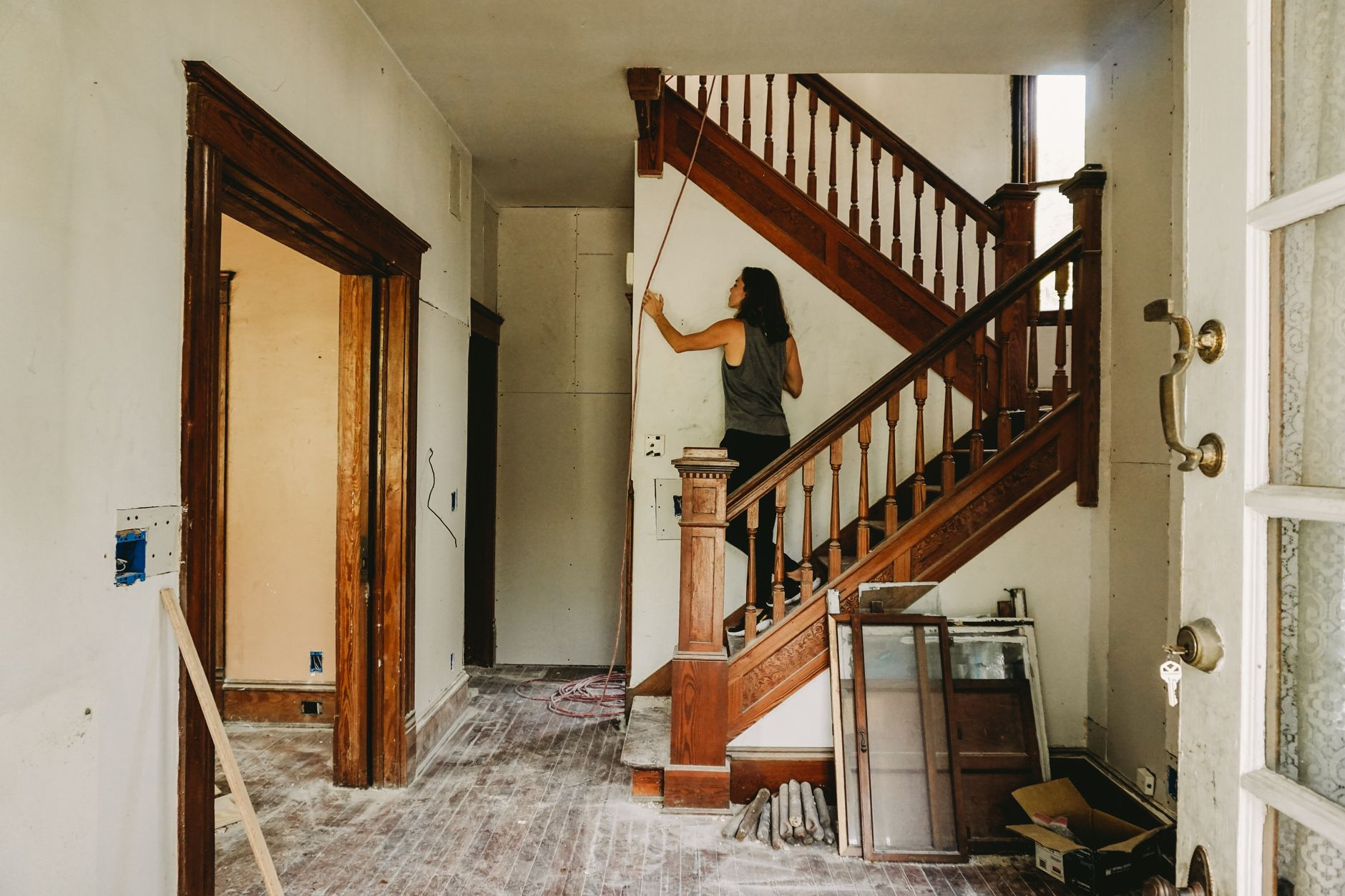
A whole home remodeling project is one of the biggest undertakings a homeowner can take on, and the difference between a smooth experience and a stressful one almost always comes down to how well the planning phase is handled. If you are thinking about a whole home remodeling effort in Austin, Round Rock, Cedar Park, or anywhere else across the area, this guide walks you through each phase the way we walk our own clients through it, from the very first conversation to the final walkthrough. Key Takeaways Define your scope early, because scope changes mid-project are the leading cause of delays and budget overruns. Permits are not optional for structural, electrical, or plumbing work in Austin, and skipping them can complicate a future home sale. Sequencing your trades correctly, framing before electrical before drywall, prevents costly tear-outs later. Living arrangements matter as much as materials. Plan them before the project starts, not after. A written punch list at the end protects you and holds the contractor accountable. Start With a Whole Home Remodeling Vision Before You Touch a Single Wall The first thing we ask every homeowner who comes to us with a whole-home project is a simple question: what problem are you actually trying to solve? That sounds obvious, but a surprising number of people dive into material selections before they have answered it. Are you updating an aging home before selling? Making the layout work better for a growing family? Bringing energy efficiency up to modern standards? The answer shapes every decision that follows. Once you have a clear goal, write it down. A one-page project brief that covers your non-negotiables, your wish list, and your rough timeline is far more useful than a folder full of saved photos. Bring that brief to every contractor conversation. It keeps estimates apples-to-apples and prevents the scope from quietly expanding every time someone shows you an upgrade. At B&H Remodeling, our tagline is “First We Listen. Then We Build.” That first step is not a formality. A project that begins with clear intent almost always finishes more smoothly than one that starts with a mood board and no defined endpoint. How to Sequence a Whole Home Remodeling Project Correctly Trade sequencing is the single most technical part of whole home remodeling, and getting it wrong is expensive. Here is the order that protects your investment: Demolition first. Tear out what is leaving before anyone frames, runs wire, or sets pipe. Surprises hidden inside walls, old knob-and-tube wiring, cast-iron drain lines, original plaster that was covering moisture damage, surface during demo. Better to find them before your new work is in place. Structural and framing work. Any walls coming down, headers being added, or load paths being changed happen here, before mechanical systems are touched. Rough mechanical: plumbing, electrical, HVAC. These three trades run through wall cavities and floor systems. All three need to be roughed in before insulation or drywall goes up. Your inspector will want to see rough plumbing and rough electrical before the walls are closed. Inspections. Schedule them while walls are still open. Calling for an inspection after drywall is up is not just a code violation; it is a costly mistake that requires tear-out. Insulation and drywall. Once inspections pass, close the walls. Insulation goes in first, drywall follows, and then taping, floating, and texture work. Hard finishes. Flooring, tile, and cabinetry come next. These are the surfaces that everything else references, so they come before trim and fixtures. Trim, doors, and paint. Interior painting should happen after flooring is protected but before fixtures are installed. Trim and door casings go in after paint, which protects them from drips. Finish mechanical: fixtures, outlets, switches. Plumbers set fixtures. Electricians hang fixtures and install devices. HVAC technicians hang and connect grilles, registers, and thermostats. Final punch list and walkthrough. Every item that is not right gets written down and corrected before you make a final payment. Skipping ahead in this sequence feels like a time-saver in the moment and always costs more time overall. We have seen homeowners ask contractors to start tile before rough plumbing inspections pass, only to chip out fresh tile weeks later when the inspector finally came through. Patience in sequencing is its own form of quality control. Permits and Inspections for a Whole Home Remodel in Austin Austin and its surrounding municipalities, including Round Rock, Cedar Park, Georgetown, Pflugerville, and Lakeway, all require permits for work that touches structure, electrical systems, plumbing, or mechanical systems. A whole home remodel almost always triggers multiple permit types simultaneously. Here is what that typically means in practice: you will pull a building permit for any structural work, separate electrical and plumbing permits for those trades, and in some cases a mechanical permit for HVAC modifications. The City of Austin Development Services Department handles permitting for projects within Austin city limits, and each surrounding municipality has its own process. Timelines vary, and in recent years the review queues have been meaningful, so building permit lead time into your project schedule from the very beginning. Why does this matter so much? Because unpermitted work is disclosed in a home sale. Buyers, lenders, and title companies will ask. If unpermitted improvements are discovered, you may be required to open walls, demonstrate compliance, or even remove the work entirely. Permitted work, by contrast, is documented proof that a licensed inspector verified the work met code. If you want a deeper look at how the permit process works locally, our FAQ page covers common permit questions we hear from Austin-area homeowners. Choosing Materials and Finishes Without Getting Overwhelmed One of the places whole home remodeling projects stall is the selection phase. When every surface in the house is changing at once, the number of decisions compounds quickly. Flooring, tile, cabinets, countertops, fixtures, hardware, paint colors, and trim profiles all need to be selected, and ideally, they need to talk to each other visually. A practical approach: establish your anchor materials

Whole Home Remodel in Austin: Cost, Timeline, and Tips
Planning a whole home remodel in Austin? Learn the real 2026 cost, how long it takes, and the steps that keep your project calm and on track.